
Healthy lifestyle
22 May 2026
Fruit Concentrate Production Process: From Concentration to Reconstitution
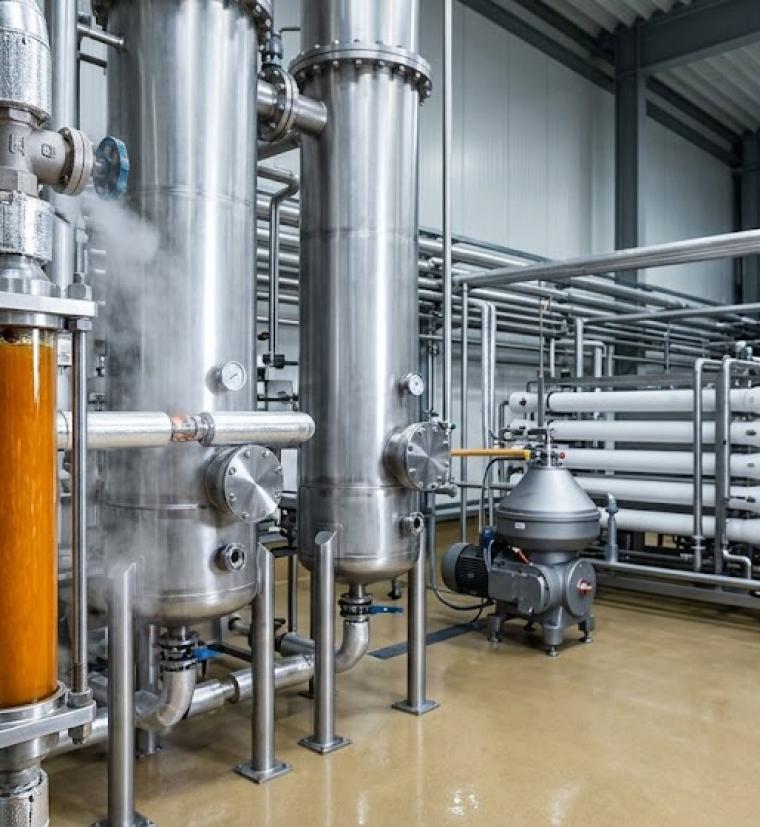
Fruit concentrate is essentially fruit juice from which most of the water has been removed through physical processes to reduce its volume and weight. This process is typically carried out using vacuum evaporators, enabling the production of a dense extract with extended shelf life while minimizing damage to nutrients. Fruit concentrate is the backbone of the modern beverage industry. By removing excess water, it significantly reduces transportation costs and allows access to seasonal fruits year-round. Contrary to common perception,...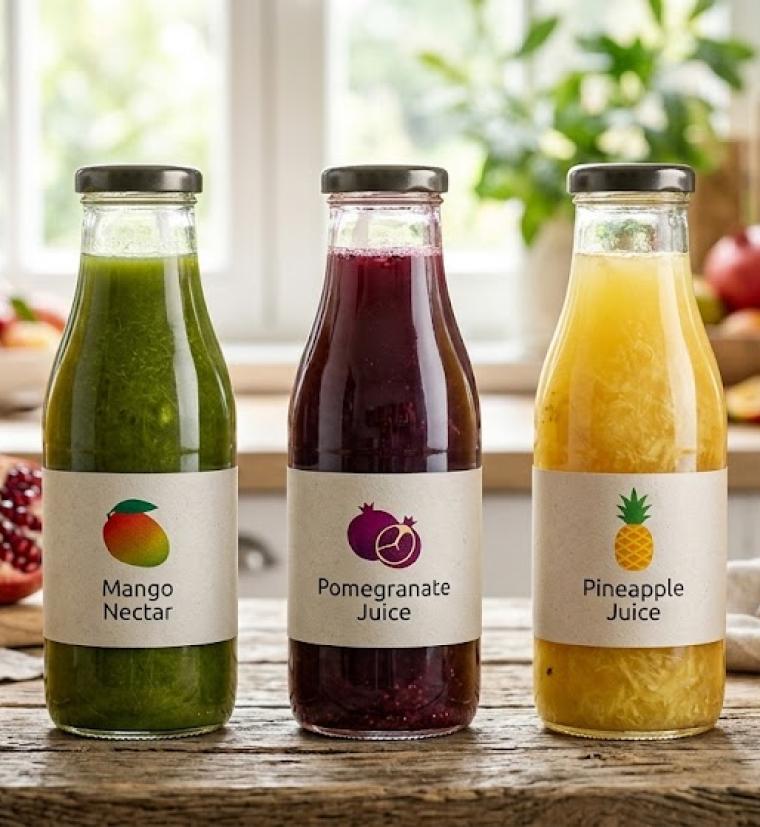
Healthy lifestyle
19 May 2026
Benefits and Effects of Fruit Pulp in Industrial Beverages
Pulp-containing juices refer to beverages that include fibrous particles separated from the fruit flesh. The presence of these particles not only enhances mouthfeel and creates a taste closer to fresh fruit, but also increases the nutritional value compared to clear juices. Due to their content of soluble and insoluble fibers, they help slow down the absorption of sugar into the bloodstream. In the world of industrial beverages, pulp is a symbol of purity and closeness to nature. These...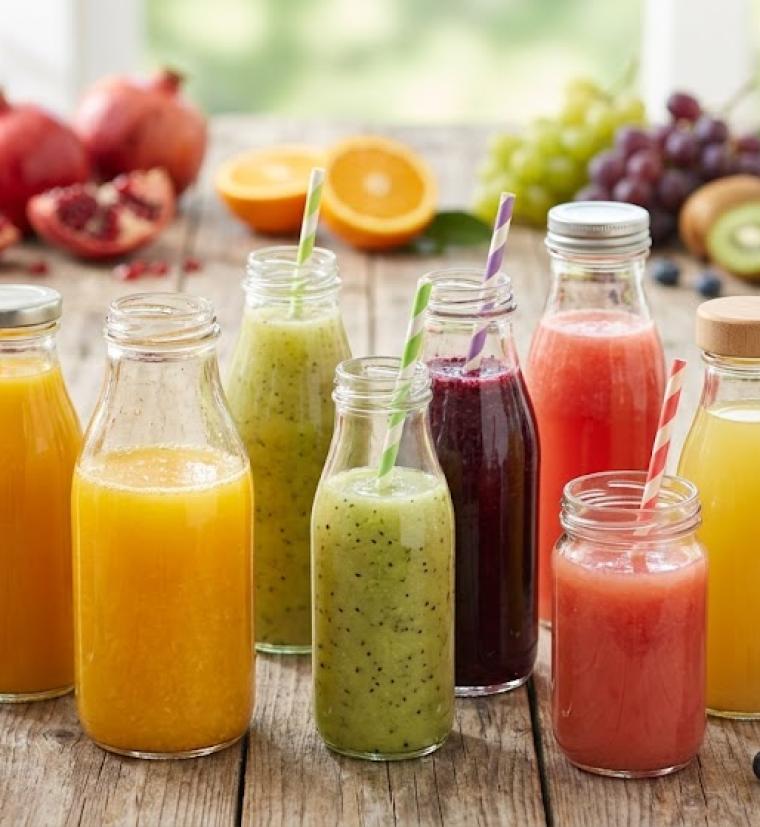
Healthy lifestyle
19 May 2026
Guide to Reading Product Labels and Understanding Fruit Percentage
The fruit percentage in a juice indicates the weight ratio of juice, puree, or fruit extract relative to the total volume of the final product. This figure is defined according to national standards. For example, 100% fruit juice must contain no additives, nectars typically contain between 25% and 50% fruit, and fruit drinks are usually produced with less than 20% fruit content. Understanding these numbers allows you to distinguish between a nutritious product and what is essentially “flavored sugar...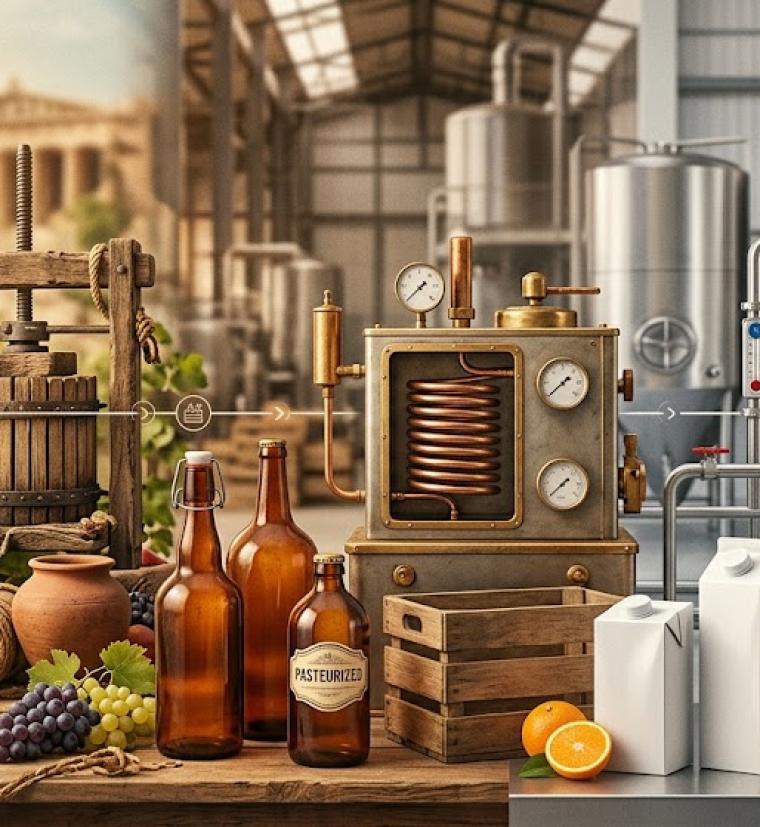
Healthy lifestyle
19 May 2026
History and Evolution of the Global Juice Industry
The juice industry has evolved throughout history from a simple household process in ancient times into a multi-billion-dollar global business. Its major turning point occurred in the late 19th century with the discovery of pasteurization, and later in the mid-20th century with the invention of aseptic packaging. These advancements made it possible for beverages that once spoiled within hours to be transported to the farthest parts of the world while preserving their nutritional value. The evolution of this industry...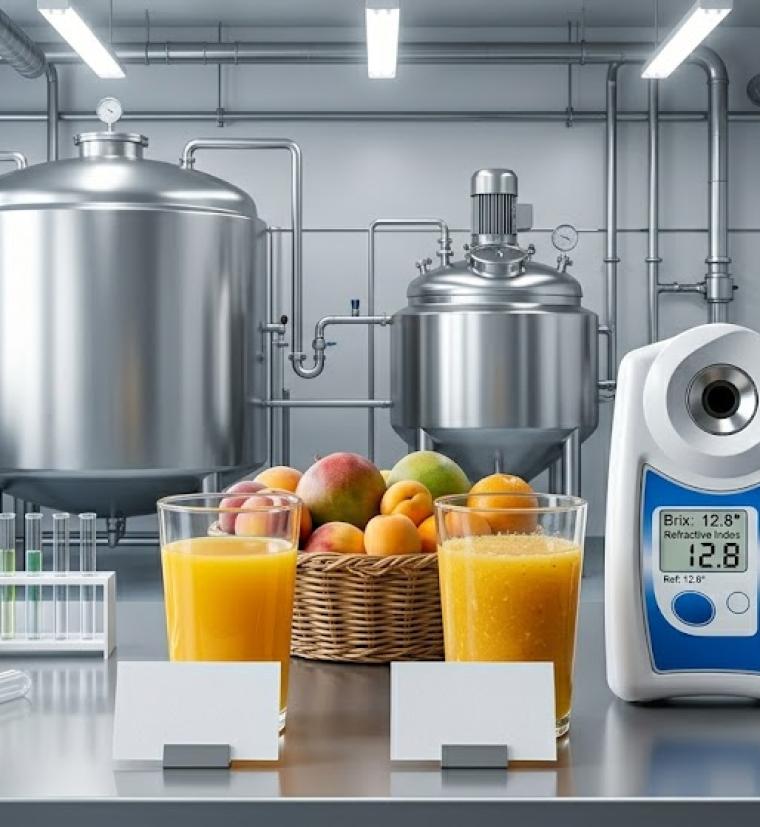
Healthy lifestyle
19 May 2026
Flash Pasteurization: A Method for Preserving Safety and Vitamins
Juice pasteurization using the HTST (High Temperature Short Time) method is a process in which the liquid is heated to a temperature between 71 and 85°C for a very short duration (15 to 30 seconds) in order to eliminate pathogenic microorganisms and destructive enzymes without causing significant damage to the product’s taste and vitamins. This method is carried out using advanced heat exchangers and is immediately followed by rapid cooling to stabilize the sensory quality of the product. This...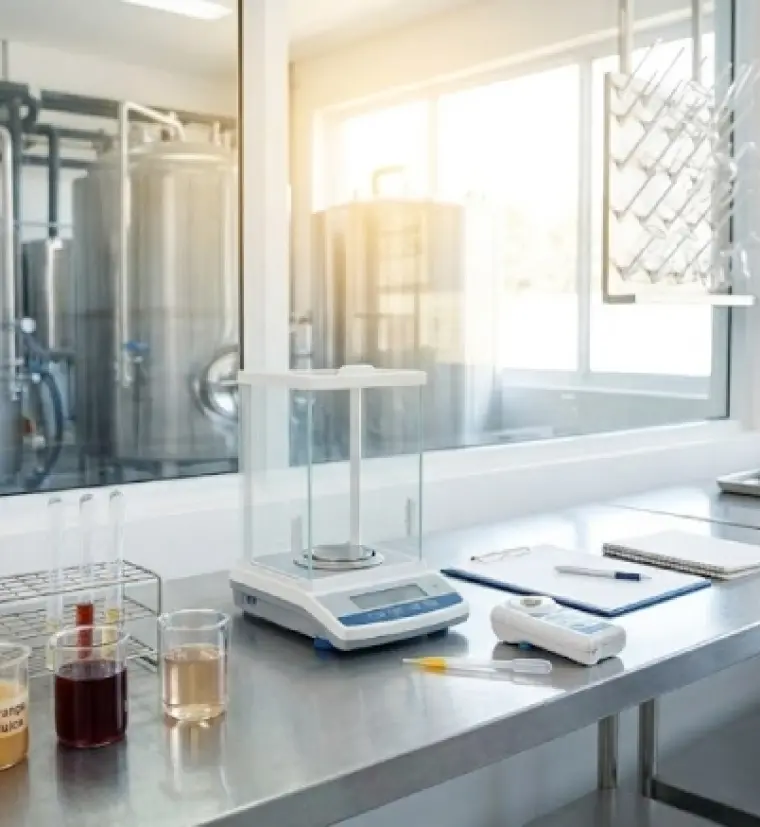
Healthy lifestyle
09 May 2026
What is Brix and What Role Does It Play in Quality?
Brix in fruit juice is a unit used to measure the percentage by weight of dissolved solids in a solution, primarily indicating the concentration of sugar (sucrose) it contains. Simply, if a juice has a Brix value of 12, it means that in 100 grams of that liquid, there are 12 grams of dissolved substances (sugars, acids, minerals, and vitamins). This index is the most important criterion for evaluating the concentration, quality, and compliance of fruit-based beverages in the...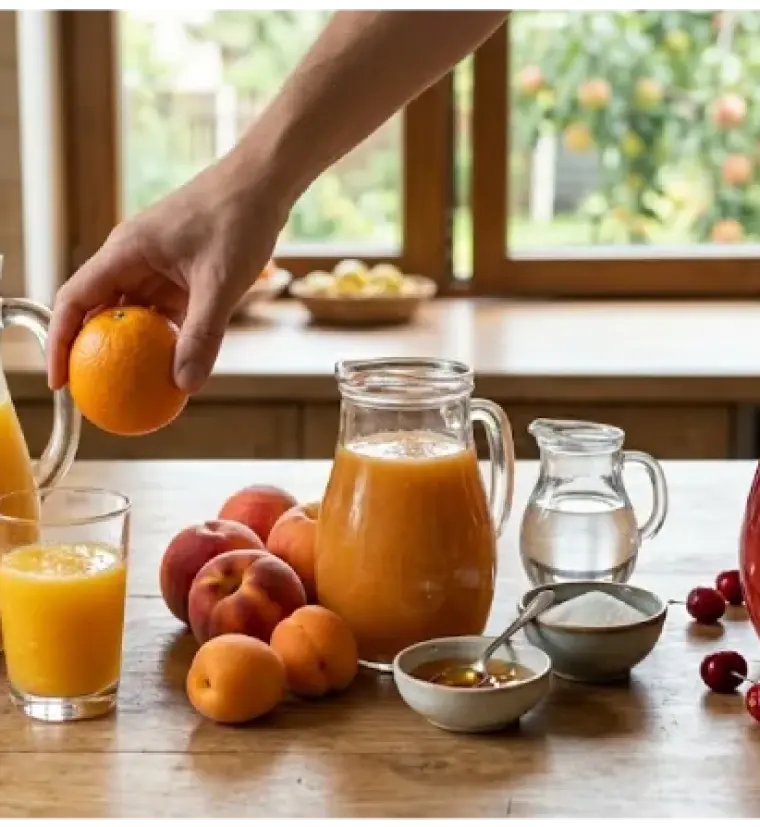
Healthy lifestyle
06 May 2026
Difference Between 100% Natural Juice, Nectar, and Fruit Drink
The primary difference between 100% natural juice, nectar, and fruit drink lies in their pure fruit content and added ingredients. Natural juice contains 100% fruit extract with no additives, whereas nectar contains between 25% and 50% fruit and includes added water, sugar, and acids. Fruit drinks, with lower fruit content (approximately 5% to 20%), represent the lowest category in terms of nutritional value. Understanding these differences helps consumers make the best choice based on their nutritional needs. Pure...
Healthy lifestyle
03 May 2026
Structural Comparison of Smoothies Fruit Puree, and Nectar
The difference between smoothies and fruit juice lies in the preservation of the fruit’s physical integrity. A smoothie is produced by blending the whole fruit, including its flesh and fiber, whereas juice consists only of the liquid extract, with the fiber removed. Fruit puree, on the other hand, has a thick, paste-like consistency and serves as the primary base for industrial nectars and smoothies. Nectar is a more diluted mixture of puree combined with water and sweeteners. Choosing between these...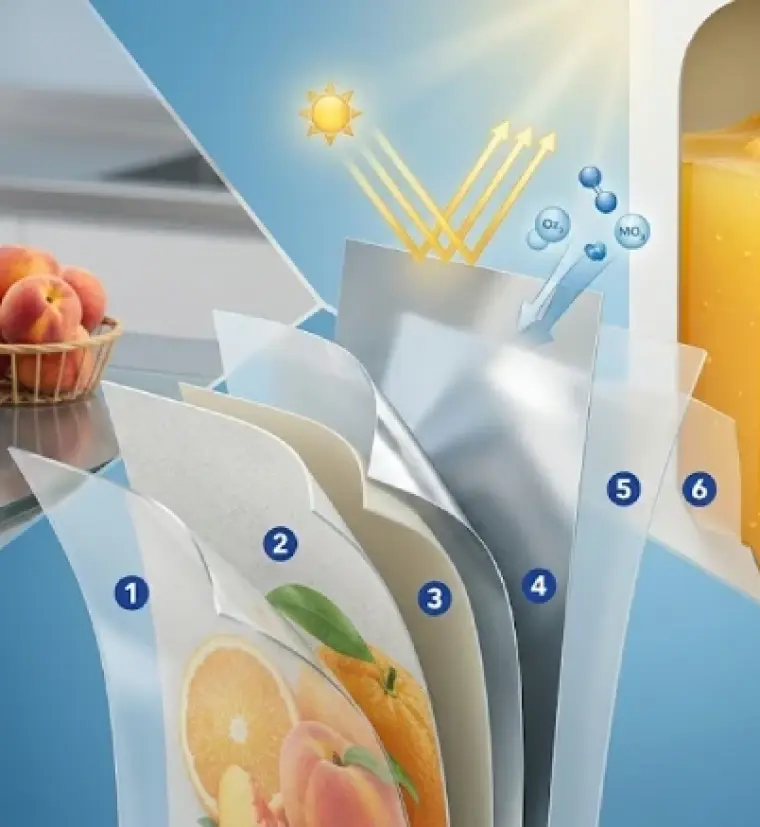
Healthy lifestyle
29 April 2026
The Role of Tetra Pak Packaging in Preservative-Free Beverage Shelf Life
Tetra Pak juice packaging, utilizing aseptic technology and a six-layer structure, creates a completely impermeable barrier against light, oxygen, and microorganisms. This ensures long-term product stability without the need for any chemical preservatives. By combining ultra-high temperature (UHT) processing with sterile packaging conditions, this system allows juice to maintain its original quality for several months at ambient temperature. The secret behind this extended shelf life lies in the complete isolation of the product from the external environment. Once all...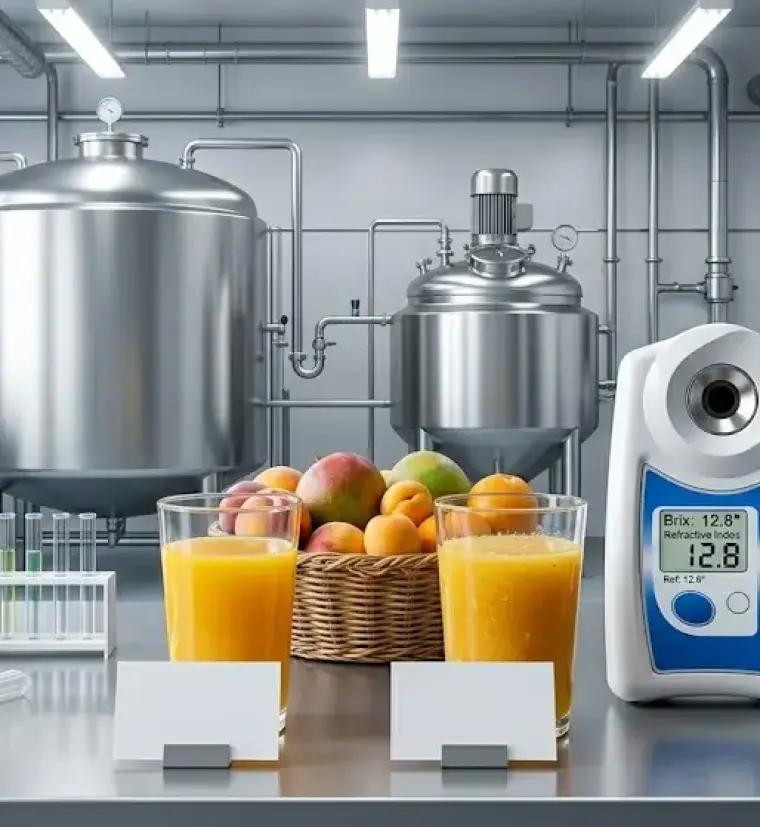
Healthy lifestyle
29 April 2026
Structural Comparison of Smoothies, Fruit Puree, and Nectar
The difference between smoothies and fruit juice lies in the preservation of the fruit’s physical integrity. A smoothie is produced by blending the whole fruit, including its flesh and fiber, whereas juice consists only of the liquid extract, with the fiber removed. Fruit puree, on the other hand, has a thick, paste-like consistency and serves as the primary base for industrial nectars and smoothies. Nectar is a more diluted mixture of puree combined with water and sweeteners. Choosing between these...