Muesli is a simple yet nutrient-dense blend made from whole grains, dried fruits, nuts, and sometimes dairy or fresh fruit. It’s widely recognized as a light and healthy breakfast and is especially popular among athletes and those following balanced diets. Muesli not only provides the energy needed to start your day but also supports digestive health and heart function. In this article, we’ll explore everything about muesli, its origins, types, homemade recipes, and health benefits.
History and Origins of Muesli
Muesli was first developed in the early 20th century by Swiss physician Dr. Maximilian Bircher-Benner. He created it as a nutritious meal for his patients to boost daily energy. The original recipe included rolled oats, fresh and dried fruits, and a splash of milk or yogurt. Over time, variations emerged with added nuts, seeds, and different fruits.
Today, muesli is enjoyed worldwide as a healthy breakfast, energizing snack, or smoothie bowl topping. It’s not only delicious but also highly nutritious and suitable for all ages.
What Is Muesli Made of?
A typical homemade muesli recipe includes:
|
Ingredient |
Approximate Amount |
|
Rolled oats |
2 cups |
|
Dried fruits (raisins, cranberries, dates) |
1 cup |
|
Chopped nuts (almonds, walnuts, hazelnuts) |
1 cup |
|
Seeds (chia, flax, sunflower) |
½ cup |
|
Milk or yogurt |
1 cup |
|
Honey or natural syrup |
2 tbsp |
|
Spices (cinnamon, vanilla) |
1 tsp |
Approximate Nutritional Value (Per 100g of Homemade Muesli)
|
Nutrient |
Amount |
|
Calories |
380 kcal |
|
Protein |
8 g |
|
Fat |
14 g |
|
Carbohydrates |
55 g |
|
Fiber |
6 g |
|
Iron |
2 mg |
|
Magnesium |
110 mg |
Muesli vs. Granola: What’s the Difference?

While both muesli and granola are made from grains, nuts, and dried fruits, they differ in preparation and texture:
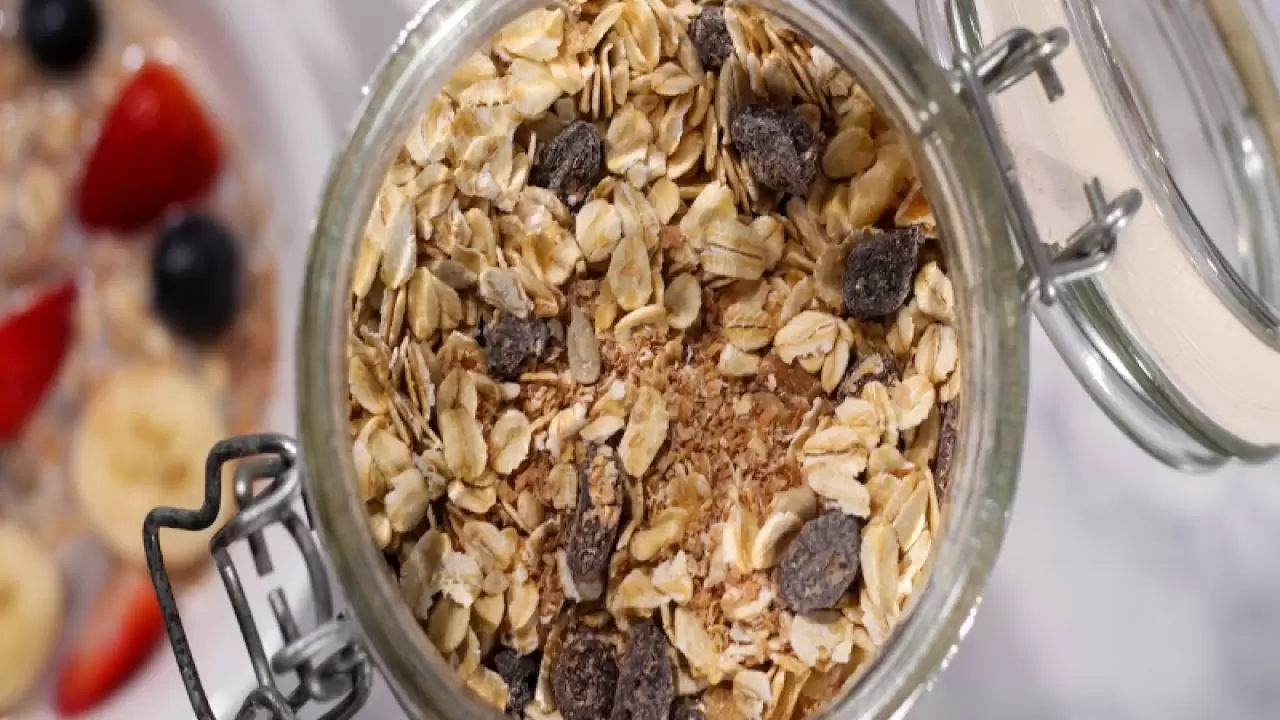
- Muesli is typically raw or lightly toasted and served with milk, yogurt, or fresh fruit. It has a soft, natural texture and is ideal for a light, healthy breakfast.
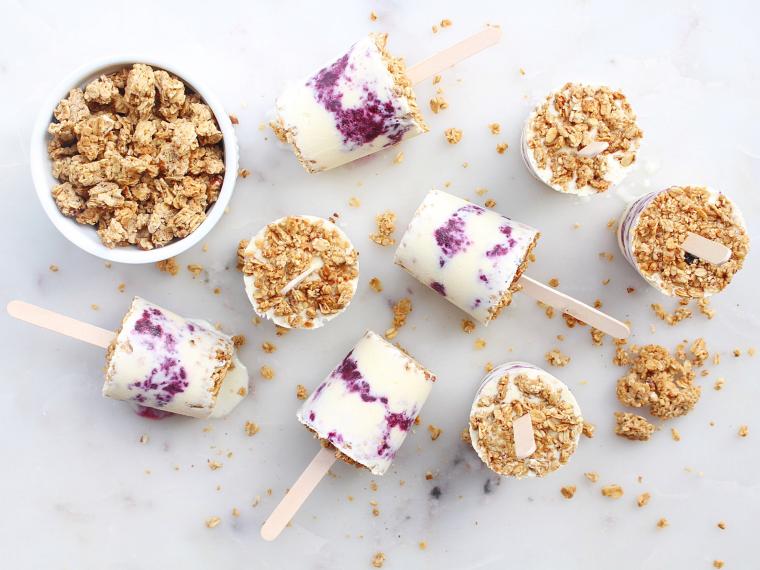
- Granola is usually mixed with honey or oil and baked until crunchy. It’s sweeter and crispier, making it suitable for both breakfast and snacking.
Types of Muesli
- Classic Muesli: Rolled oats, dried fruit, and a splash of milk or yogurt—perfect for daily breakfast.
- Fruity Muesli: Includes fresh or dried fruits like apples, cranberries, raisins, or bananas for a naturally sweet flavor.
- Chocolate Muesli: With dark chocolate chips or cocoa powder, great for chocolate lovers seeking a quick energy boost.
- Sugar-Free Muesli: Made with natural sweeteners or just dried fruits, ideal for low-sugar or diabetic diets.
How to Make Homemade Muesli
Ingredients
|
Ingredient |
Amount |
|
Rolled oats |
2 cups |
|
Dried fruits |
1 cup |
|
Chopped nuts |
1 cup |
|
Seeds |
½ cup |
|
Milk or yogurt |
1 cup |
|
Honey |
2 tbsp |
|
Cinnamon |
1 tsp |
Step-by-Step Instructions
- In a large bowl, mix oats, nuts, and seeds.
- Warm the honey slightly and pour over the dry ingredients. Mix well.
- Bake the mixture at 150°C (300°F) for 10 minutes to lightly toast and enhance aroma.
- Add dried fruits and stir to combine.
- Serve with milk or yogurt, and top with fresh fruit if desired.
- Store leftovers in an airtight container in a cool, dry place.
Health Benefits of Muesli
- Natural Energy Source: The mix of grains, nuts, and fruits provides long-lasting energy.
- High in Fiber: Oats and seeds support digestion and gut health.
- Rich in Antioxidants: Fruits and nuts protect cells from oxidative stress.
- Supports Weight Management: Muesli with yogurt promotes satiety and helps prevent overeating.
- Heart Health: Healthy fats in nuts help lower cholesterol and support cardiovascular function.
- Immune Support: Vitamins and minerals in muesli strengthen the immune system.
How to Use Muesli in Your Diet
- Breakfast: With milk, yogurt, or natural fruit juice.
- Snack: On its own or with fresh fruit and nuts.
- Dessert Topping: On puddings, yogurt, or ice cream.
- Healthy Add-In: In homemade energy bars or snacks.
Summary
Muesli is a healthy, tasty, and energizing food that makes an excellent alternative to heavy, high-calorie breakfasts. Making it at home allows you to control ingredient quality and enjoy its full benefits. Regularly incorporating muesli into your meals is a smart step toward a healthier, more active lifestyle.
Frequently Asked Questions (FAQ)
- Is muesli better for breakfast or as an afternoon snack?
Both are great. It provides energy in the morning and serves as a healthy snack later in the day.
- Is muesli suitable for weight loss?
Yes, if consumed in moderation and made without excess added sugar.
- How much muesli can I eat per day?
About 30–50 grams is recommended as a snack or part of breakfast.
- How can I keep muesli fresh?
Store it in an airtight container away from moisture. It stays fresh for up to one month.