Matcha is one of the healthiest beverages worldwide, originally from Japan. With its bright green color and unique taste, it offers a delightful experience for tea enthusiasts while providing numerous health benefits. This comprehensive guide explores matcha, its body benefits, preparation methods, and consumption tips for maximum enjoyment.
What Is Matcha and Why Is It So Popular?
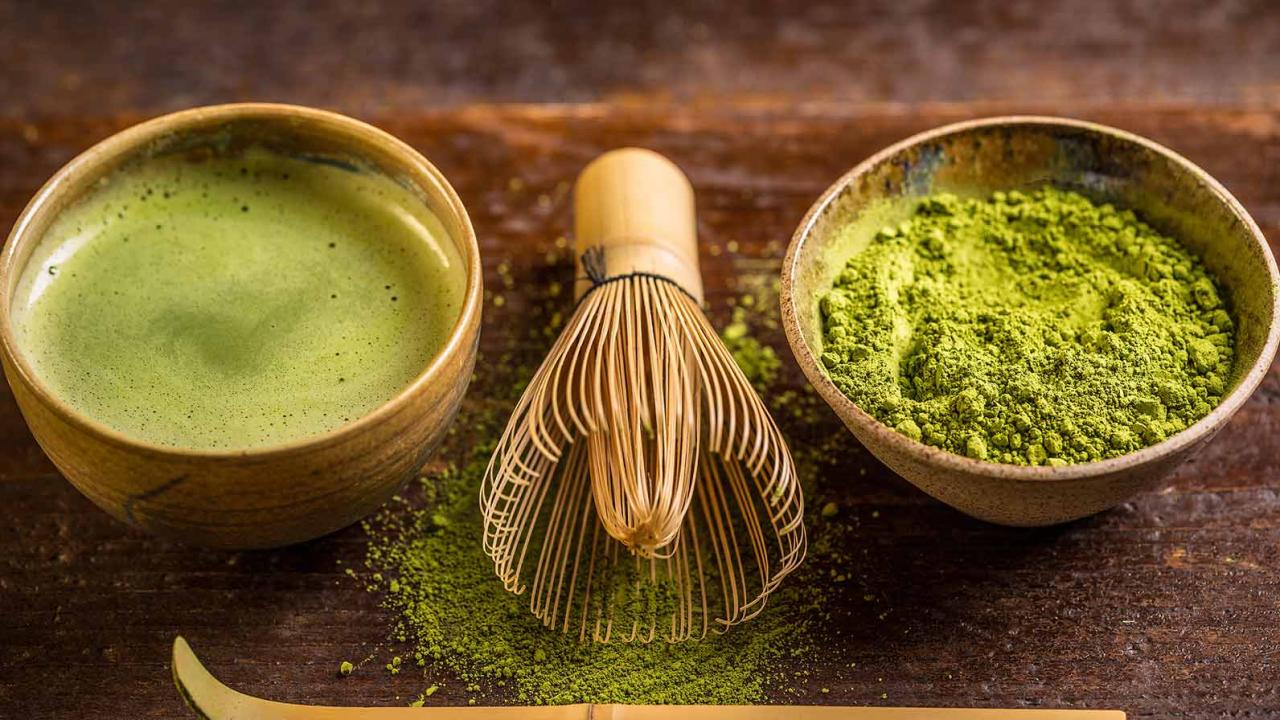
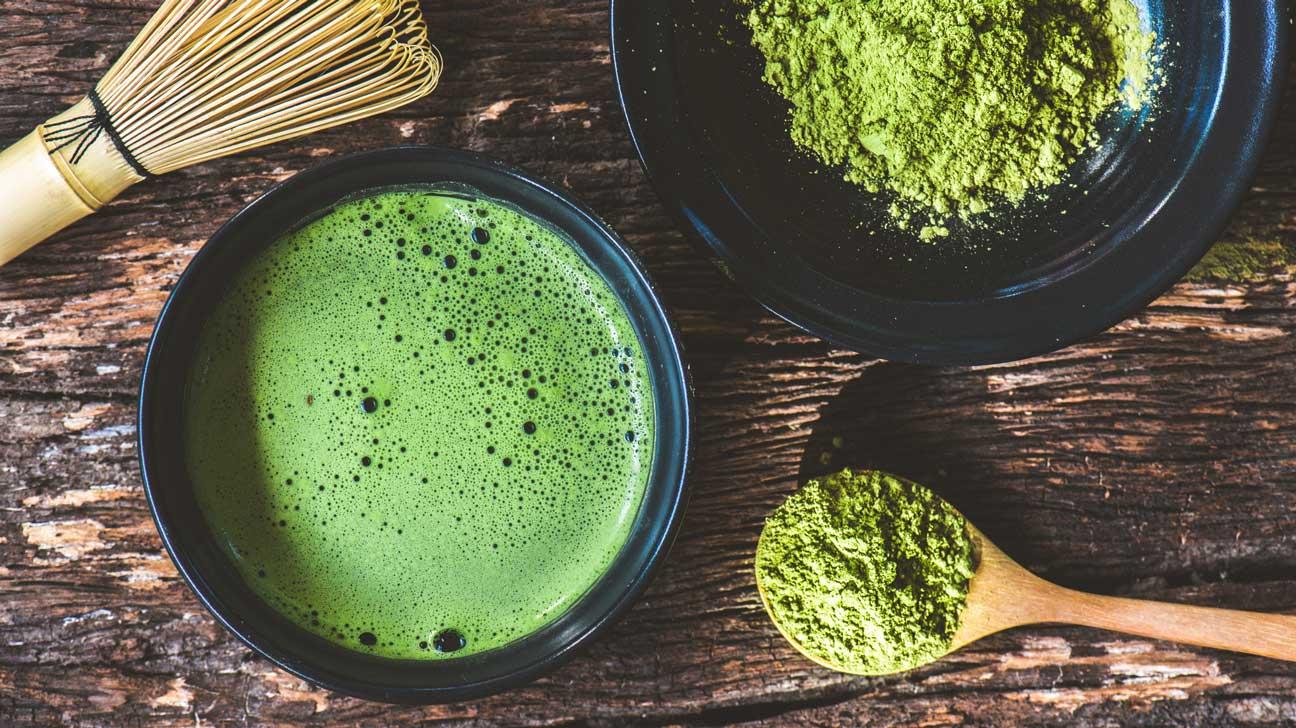
Matcha is a finely ground powder made from shade-grown green tea leaves. Unlike traditional green tea, where leaves are steeped and discarded, matcha is consumed whole delivering 100% of the leaf’s nutrients. This makes matcha a rich source of antioxidants, vitamins, and minerals. Its slightly bitter, earthy flavor pairs beautifully with plant-based milks and natural sweeteners, making it a favorite in lattes, smoothies, and iced drinks.
***
Health Benefits of Matcha
- Powerful Antioxidant Source:
Matcha is packed with polyphenolic antioxidants that protect cells from free radicals. This helps reduce inflammation, slow aging, and protect body cells.
- Boosts Energy & Focus:
Matcha contains a moderate amount of caffeine that boosts the body’s energy, while its L-theanine promotes mental focus and calm. The combination of caffeine and L-theanine delivers sustained energy without jitters or fatigue.
- Supports Immunity:
Chlorophyll, vitamin C, and catechins help strengthen the immune system.
- Aids Weight Loss:
Matcha can be an excellent addition to weight loss diets due to its ability to naturally boost metabolism and promote fat burning. Consistent consumption of matcha, combined with a healthy diet, can lead to gradual and sustainable weight reduction.
- Heart Health:
It helps lower LDL cholesterol and blood pressure, reducing cardiovascular risks.
Classic Matcha Tea Recipe
|
Ingredient |
Amount |
|
Matcha powder |
1 tsp |
|
Hot water (not boiling) |
70 ml |
|
Plant-based milk (optional) |
100 ml |
|
Honey or maple syrup (optional) |
1 tsp |
Preparation Steps
- Sift matcha into a bowl.
- Add hot water (around 80°C) and whisk in a zigzag motion until frothy.
- Add milk and sweetener if desired.
- Serve immediately to enjoy its aroma and taste.
Popular Matcha Variations
- Matcha Latte:
Creamy and comforting, made with warm milk and a touch of sweetener.
- Iced Matcha:
Iced Matcha is a refreshing summer beverage made by blending matcha powder with ice and milk (or water). It’s a low-calorie, healthful option for hot days.
- Matcha Smoothie:
Add matcha to fruit smoothies for a nutrient-dense, energizing, antioxidant-rich drink. Blending matcha with banana, strawberry, or avocado yields a creamy texture and great taste.
Nutritional Value (Per 200 ml Cup)
|
Nutrient |
Amount |
|
Calories |
30 kcal |
|
Protein |
2 g |
|
Fat |
0.5 g |
|
Carbs |
4 g |
|
Fiber |
1 g |
|
Vitamin A |
10% DV |
|
Vitamin C |
3% DV |
|
Iron |
5% DV |
|
Calcium |
2% DV |
Key Tips for Consuming Matcha Tea
- Avoid using boiling water when preparing matcha to prevent bitterness and preserve its nutritional properties.
- Proper whisking with a bamboo whisk creates a smooth, flavorful foam and enhances the drinking experience.
- One cup per day is sufficient to fully benefit from matcha’s health-promoting compounds.
- Matcha can be consumed with plant-based milk or without milk to reduce unnecessary calorie intake.
Practical Daily Matcha Recipes
Matcha tea is not just a traditional Japanese beverage, it’s a super drink packed with energy, antioxidants, and nutrients that can be enjoyed in various forms throughout the day. In this article, we introduce three distinct matcha-based drinks: a morning energizer, an afternoon focus booster, and a post-workout recovery smoothie. These recipes are inspired by nutritional recommendations from Sunich Magazine.
- Morning Matcha Latte: Energy & Focus to Start the Day
Ingredients
|
Ingredient |
Amount |
|
Matcha powder |
1 tsp |
|
Hot water |
70 ml |
|
Almond milk or cow’s milk |
150 ml |
|
Honey or maple syrup |
1 tsp |
Instructions
- Place the matcha powder in a small bowl.
- Add hot water and whisk using a zigzag bamboo whisk until a smooth green foam forms.
- Warm the milk and gently pour it into the matcha.
- Add honey or maple syrup if desired, and stir again.
- Pour into a cup and enjoy the flavor and energy.
Benefits
- Boosts energy and mental focus for daily tasks
- Rich in antioxidants and vitamins
- Aids morning digestion and promotes calmness
Approximate Nutritional Value (per 200 ml cup)
|
Nutrient |
Amount |
|
Energy |
90 kcal |
|
Protein |
3 g |
|
Fat |
3 g |
|
Carbohydrates |
12 g |
|
Fiber |
1 g |
- Afternoon Iced Matcha: Focus & Calm
Ingredients
|
Ingredient |
Amount |
|
Matcha powder |
1 tsp |
|
Cold water |
80 ml |
|
Crushed ice |
5-6 cubes |
|
Coconut or almond milk |
100 ml |
|
Honey or maple syrup |
1 tsp |
Instructions
- Add matcha powder to a cup and pour in cold water.
- Stir thoroughly with a whisk or spoon until fully dissolved.
- Add crushed ice and plant-based milk, then mix well.
- Add maple syrup or honey if desired and stir again.
- Serve with a straw or spoon.
Benefits
- Enhances focus and reduces afternoon fatigue
- Maintains energy without anxiety or insomnia
- Rich in antioxidants and minerals
Approximate Nutritional Value
|
Nutrient |
Amount |
|
Energy |
75 kcal |
|
Protein |
2 g |
|
Fat |
2.5 g |
|
Carbohydrates |
9 g |
|
Fiber |
1 g |
- Post-Workout Matcha Smoothie: Energy & Muscle Recovery
Ingredients
|
Ingredient |
Amount |
|
Matcha powder |
1 tsp |
|
Frozen banana |
1 piece |
|
Frozen strawberries |
5-6 pieces |
|
Greek or plant-based yogurt |
½ cup |
|
Almond or oat milk |
1 cup |
|
Chia seeds |
1 tsp |
Instructions
- Blend frozen banana and strawberries until chopped.
- Add matcha powder, yogurt, and plant-based milk, then blend until smooth and creamy.
- Add chia seeds and let the mixture rest for 2–3 minutes to thicken.
- Pour into a glass and serve immediately.
Benefits
- Restores energy and supports muscle building after exercise
- High in protein and antioxidants
- Strengthens immunity and boosts metabolism
Approximate Nutritional Value
|
Nutrient |
Amount |
|
Energy |
220 kcal |
|
Protein |
8 g |
|
Fat |
4 g |
|
Carbohydrates |
38 g |
|
Fiber |
5 g |
Golden Tips for Daily Matcha Consumption
- Morning Drink: Matcha latte is the ideal energizing start to your day.
- Afternoon: Iced matcha refreshes without fatigue.
- Post-Workout: A matcha smoothie with fruit and yogurt rebuilds muscle and replaces lost energy.
- Always use pure, high-quality matcha powderto retain its real benefits.
- Limit daily intaketo 2–3 cups.
Summary:
Matcha is a nutritious green beverage offering numerous health benefits. These include increased energy, enhanced mental focus, support for weight loss, a strengthened immune system, and cardiovascular protection. Incorporating daily matcha consumption into a healthy lifestyle can contribute to overall well-being. This article, based on content published in Sunich Magazine, provides practical guidance for preparing and enjoying matcha tea.
Frequently Asked Questions:
- Does matcha contain caffeine?
Yes, but it’s balanced by L-theanine for calm alertness.
- How often should I drink matcha?
1–2 cups daily is recommended.
- Can I drink matcha without milk or sweeteners?
Absolutely. Pure matcha retains all its health benefits.
- Is matcha good for weight loss?
Yes, it naturally boosts metabolism and fat burning.