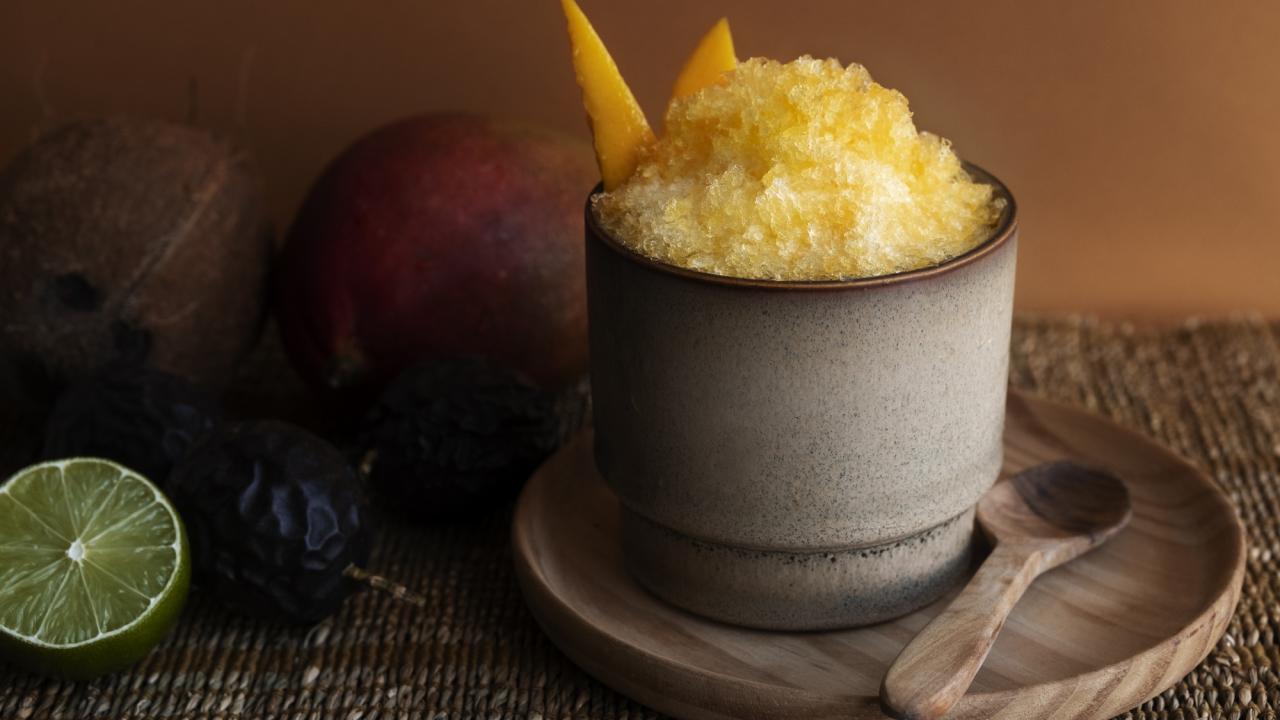
With the arrival of warm weather and the golden glow of sunlight, nothing is more delightful than a chilled, fruity dessert. Among the many summer treats, Melon Slush and Melon Granita hold a special place. These icy desserts not only offer a heavenly taste and the enchanting aroma of sweet, juicy melons, but they’re also simple to prepare with readily available ingredients, making them an ideal choice for entertaining guests or enjoying a warm summer afternoon.
In this article, we’ll walk you through the step-by-step preparation of these two delicious and distinct desserts. Join us to learn the tips and tricks for making homemade Melon Slush and professional-style Melon Granita, so you can enjoy a cool and sweet summer while benefiting from the incredible nutritional properties of melon. This guide includes not only the recipes, but also key tips for achieving the best texture and flavor, nutritional value, and answers to frequently asked questions.
Melon Slush and Melon Granita: Two Sides of the Same Summer Coin
At first glance, Melon Slush and Melon Granita may seem similar, but subtle differences in texture and preparation make each one unique. Both are based on frozen fruit purée especially melon and deliver a refreshing, cooling sensation.
What Is Melon Slush?
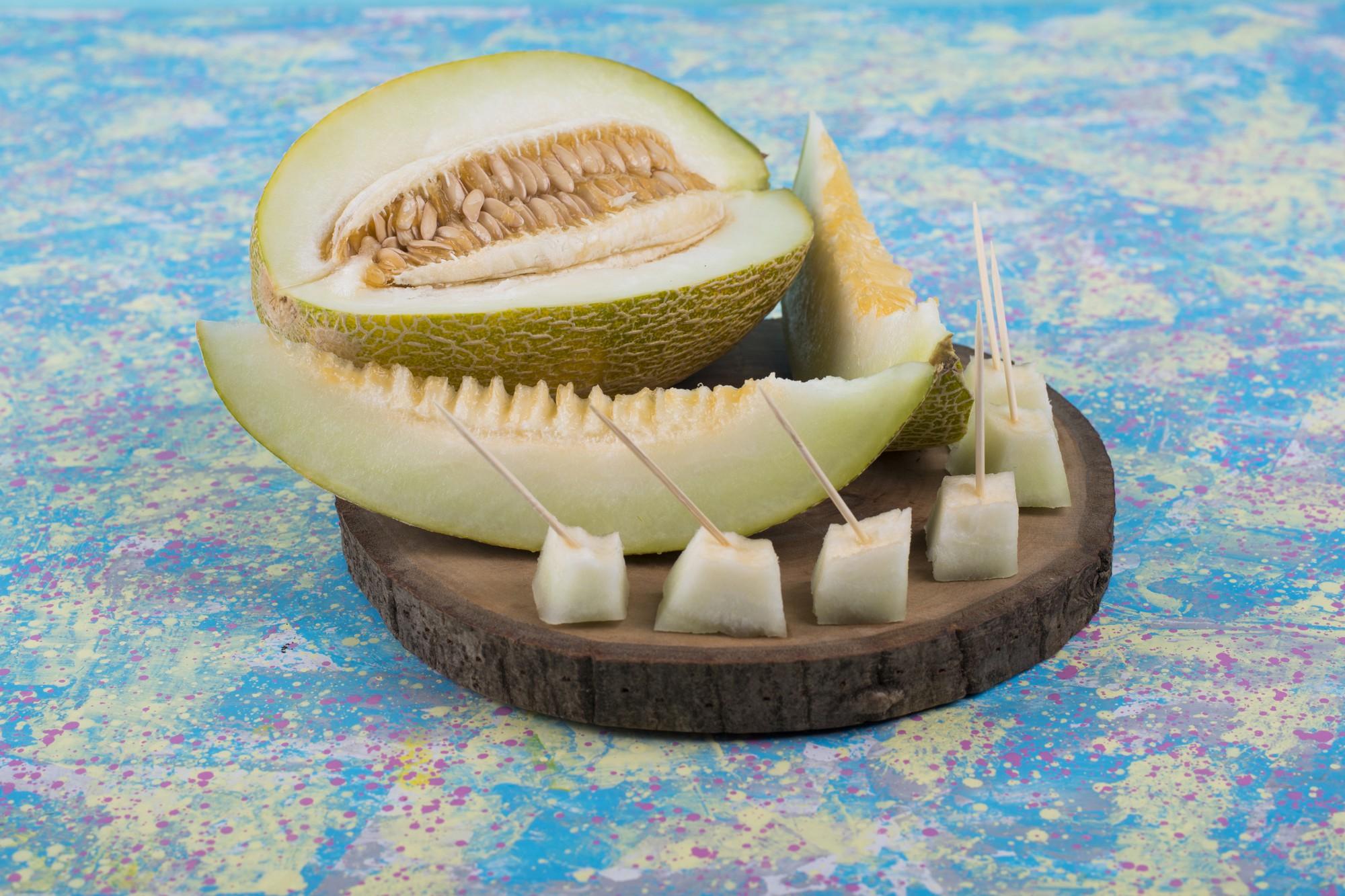
As its name suggests, Slush is a traditional Iranian frozen dessert with a smoother and more uniform texture than granita. It’s typically made by blending fruit purée with a bit of syrup (water and sugar) or other sweeteners, then freezing the mixture. The goal is to achieve a texture that can be easily scooped and melts gently in the mouth similar to sorbet, but with a simpler homemade method. Melon Slush is one of the most popular versions thanks to the dominant sweetness of melon and its ease of preparation.
What Is Melon Granita?
Granita is a semi-frozen Italian dessert with a grainier, more crystalline texture than Slush or sorbet. Its name comes from the word “granire,” meaning “to make grainy.” The secret to granita’s unique texture lies in its freezing process: the mixture of fruit purée and syrup is stirred or scraped with a fork at regular intervals to prevent solid ice formation and instead create large, separate ice crystals. Melon Granita, with its crisp icy texture and cool melon flavor, offers a distinct and delightful experience especially for those who enjoy icier textures.
Ingredients for Melon Slush and Melon Granita
Making these delicious desserts doesn’t require complicated ingredients. With just a few simple items, you can create an excellent Melon Slush or Melon Granita.
Ingredients
|
Ingredient |
Amount |
Notes |
|
Ripe sweet melon |
1 medium (1.5–2 kg), peeled and chopped |
Choose fragrant varieties like Mashhadi or Khatouni |
|
Sugar (optional) |
1/3 to ½ Cup |
Adjust based on melon sweetness |
|
Fresh lemon juice |
1-2 tbsp |
Enhances flavor and prevents discoloration |
|
Rosewater (optional) |
1 tbsp |
Adds aroma, especially for Slush |
|
Fresh mint leaves |
Few leaves |
For garnish |
|
Water (for syrup) |
⅓ cup (if using sugar) |
To dissolve sugar |
A Key Tip for Choosing Melon: The secret to the exceptional flavor of your Melon Slush or Melon Granita lies in selecting a perfectly ripe, sweet, and aromatic melon.
Step-by-Step Guide to Making Melon Slush and Melon Granita
The preparation process for both desserts is quite similar, with the main difference lying in the freezing stage and the resulting texture.
Step 1: Preparing the Melon
Selection and Washing: Choose a ripe, sweet melon. Wash its surface thoroughly to remove any dirt or impurities.
Cutting and Deseeding: Slice the melon in half. Using a spoon, scoop out all the seeds and surrounding fibers.
Peeling and Chopping: Cut the melon into smaller pieces to make peeling easier. Remove the thick rind, then chop the melon flesh into 2–3 cm cubes. The smaller the pieces, the easier they’ll be to purée.
Step 2: Puréeing the Melon
Using a Blender or Food Processor: Place the chopped melon pieces into a blender jar or food processor bowl.
Blending Until Smooth: Blend until the melon turns into a completely smooth and fluid purée. There should be no large chunks remaining. If your blender isn’t very powerful, you may need to purée in batches.
Step 3: Sweetening and Flavoring (Creating the Base Mixture)
Tasting the Purée: Taste the melon purée. If your melon is naturally sweet, you may not need to add sugar or just a little may suffice.
Adding Sugar (Optional): If you prefer a sweeter dessert, add sugar directly to the purée and stir until dissolved. A better method is to make a simple syrup:
Combine sugar with a small amount of water (e.g., ¼ cup water for ¼ to ½ cup sugar), heat gently, and stir until fully dissolved. Let the syrup cool, then add it to the melon purée. This helps create a smoother final texture for the Slush.
Adding Lemon Juice: Add fresh lemon juice to the purée. Lemon juice not only balances the melon’s sweetness but also helps prevent oxidation and discoloration, adding brightness to the granita.
Adding Rosewater (Optional): If you enjoy the aroma of rosewater especially for a traditional-style melon Slush add it at this stage and mix well.
Final Mixing: Combine all ingredients thoroughly until the mixture is smooth and uniform.
Step 4: Freezing and Texture Formation
This is where the preparation paths for melon Slush and melon granita diverge slightly, although their base is the same.
How to Make Melon Granita (Crystalline, Icy Texture)
Choosing the Right Container: Pour the granita mixture into a wide, shallow container (such as a rimmed metal tray, glass dish, or freezer-safe plastic container). The depth should be no more than 2–3 cm to ensure quick freezing and easy scraping. Metal containers help conduct cold faster and speed up the process.
Freezing: Place the container in the freezer uncovered or lightly covered with plastic wrap.
Intermittent Scraping:This is the most important part of making melon granita.
After about 30 to 45 minutes (depending on your freezer’s temperature and the mixture’s depth), remove the container. You’ll notice the edges and surface have started to freeze.
Using a fork, scrape the frozen parts from the edges toward the center and mix with the liquid portions. This prevents the formation of a solid ice block and encourages the creation of small, separate ice crystals.
Return the container to the freezer.
Repeat the Process: Continue scraping and mixing every 30 to 60 minutes. With each round, the granita mixture will become firmer and the ice crystals more defined. This process may take 2 to 4 hours or longer until the entire mixture transforms into fluffy, crystalline ice.
Finished Granita: Once the mixture has fully turned into light, airy ice crystals, your melon granita is ready. No further scraping is needed. You can serve it immediately or store it in a sealed container in the freezer.
Varieties such as Mashhadi, Khatouni, or sweet cantaloupe are excellent choices.
Methods for Making Softer Melon Slush
To achieve a softer texture in melon Slush, you can choose from several techniques:
- Granita-Inspired Method with Extra Scraping
Follow the same steps as for granita, but during each scraping interval, stir the mixture more thoroughly to break down the ice crystals into finer pieces. The final result will be slightly softer than classic granita.
- Blender Method (After Initial Freezing)
- Pour the melon Slush mixture into a suitable container and place it in the freezer for 2 to 3 hours until semi-frozen (it should resemble a soft slush).
- Remove the semi-frozen mixture, break it into smaller chunks, and transfer it to a blender.
- Pulse briefly until the texture becomes smooth and uniform, but be careful not to melt it completely.
- Return the mixture to the container and freeze for another 1 to 2 hours until fully set. This method helps create a texture closer to sorbet.
- Simple Method (Without Excessive Scraping)
Pour the mixture into a container and place it in the freezer. Stir with a spoon or fork every hour to prevent it from freezing into a solid block. This method yields a texture somewhere between granita and soft Slush - still very enjoyable.
Step 5: Serving
- Melon Slush: Use an ice cream scoop or large spoon to serve into small bowls or elegant glasses.
- Melon Granita: Scrape the ice crystals with a fork and fluff them into dessert cups or glass dishes.
- Garnish: Decorate your melon Slush or granita with fresh mint leaves, a thin slice of lemon, or a few small melon cubes.
Golden Tips for the Best Melon Slush and Granita
- Melon Quality: We repeat using sweet, juicy, and aromatic melon is the most important factor in the final flavor of your dessert.
- Sweetness Adjustment: Always taste the melon purée before adding sugar. If using alternative sweeteners like honey or maple syrup, consider their flavor impact.
- Importance of Lemon Juice: Fresh lemon juice not only enhances the taste but also helps preserve the beautiful color of the melon.
- Flavor Variations: Add a touch of freshly grated ginger (about ½ teaspoon) or a pinch of ground cardamom to the melon purée for a refreshing twist.
- Granita Texture: To achieve the ideal crystalline texture in melon granita, consistent and timely scraping during freezing is essential. Avoid over-stirring, which can cause the ice to melt.
- Storage: Melon Slush and granita can be stored in a sealed container in the freezer for up to 2 weeks. However, they taste and feel best within the first few days. If too firm before serving, let them sit at room temperature for 5 to 10 minutes to soften slightly. For granita, you may need to fluff it again with a fork to restore its airy texture.
- No Ice Cream Maker Needed: These recipes are designed to be made without an ice cream machine, allowing you to prepare high-quality melon Slush and granita right at home.
Nutritional Value of Melon Slush
Melon Slush and Melon Granita, especially when made with little or no added sugar, are considered relatively healthy and low-calorie desserts. Their approximate nutritional value (depending on sugar content and serving size) includes:
- Rich in Vitamins: Melon is an excellent source of vitamin C (a powerful antioxidant that supports the immune system) and vitamin A (in the form of beta-carotene, beneficial for eye and skin health).
- Hydration: Melon contains a high amount of water, which helps keep the body hydrated during hot days.
- Fiber: It provides a modest amount of dietary fiber, which supports digestive health.
- Potassium: Melon is a good source of potassium, which helps regulate blood pressure.
- Low in Calories: Compared to creamy or chocolate-based desserts, Melon Slush is lower in calories. However, adding sugar will increase its caloric content.
- Low Fat: This dessert is naturally fat-free or contains only trace amounts of fat.
In general, Melon Slush and Melon Granita are light, nutritious, and refreshing options for enjoying a cool summer dessert, provided sugar is used in moderation.
Final Words: A Heavenly Delight in the Summer Heat
Making Melon Slush and Melon Granita at home is a sweet and joyful experience that results in a chilled, fragrant, and incredibly tasty dessert. By following the simple steps in this guide and applying the key tips, you can easily prepare these heavenly treats and create delightful moments for yourself and your loved ones.
Whether you prefer the soft, smooth texture of Melon Slush or the crisp, icy crystals of Melon Granita, this recipe provides the perfect foundation. Let your creativity shine, experiment with new flavors, and enjoy this extraordinary summer dessert to the fullest.
Bon appétit!
Frequently Asked Questions about Melon Slush and Melon Granita
- Can I use other types of melon or different fruits?
Absolutely. You can use cantaloupe, garmak (a local melon variety), watermelon, or even a blend of fruits. This method also works well with fruits like strawberries, mangoes, or peaches. Just keep in mind that you may need to adjust the amount of sweetener and lemon juice depending on the flavor profile of the chosen fruit.
- How long can Melon Slush or Melon Granita be stored in the freezer?
In a sealed, freezer-safe container, they can be stored for up to 2 weeks. However, for the best flavor and texture, it’s recommended to consume them within 1 week.
- Can I make Melon Slush without sugar?
Yes. If your melon is naturally sweet enough, you can skip the sugar or use small amounts of natural sweeteners like honey, stevia, or maple syrup, just be mindful of how they affect the overall flavor.
- What if I don’t have a blender or food processor? How can I purée the melon?
You can finely grate the melon or mash it thoroughly with a potato masher. The final texture may be slightly chunkier, with small bits of fruit, which can actually add a pleasant rustic charm, especially for Melon Granita.
- How can I make Melon Slush thicker?
To achieve a thicker consistency, make sure your melon isn’t overly watery. You can also add a very small amount (about ¼ teaspoon) of salep powder, first mixed with a bit of sugar, to the purée. This helps create a denser, more elastic texture, similar to traditional-style ice creams.
- What’s the main difference between Melon Slush and Melon Sorbet?
Sorbet is typically made using an ice cream maker, which results in a very smooth, aerated, and uniform texture. Homemade Melon Slush, especially when made without a machine, has a simpler texture that can range from soft (using the blender method after freezing) to slightly icy (with less scraping). Granita, on the other hand, has a distinctly crystalline and grainy texture.
- Any suggestions for enhancing the flavor of Melon Granita?
In addition to rosewater and lemon juice, you can try adding citrus zest (grated lemon or orange peel), a touch of vanilla extract, or even blend melon with other fruits like cucumber for a uniquely fresh twist. A few crushed fresh basil leaves mixed into the purée also lend an intriguing flavor to Melon Granita.