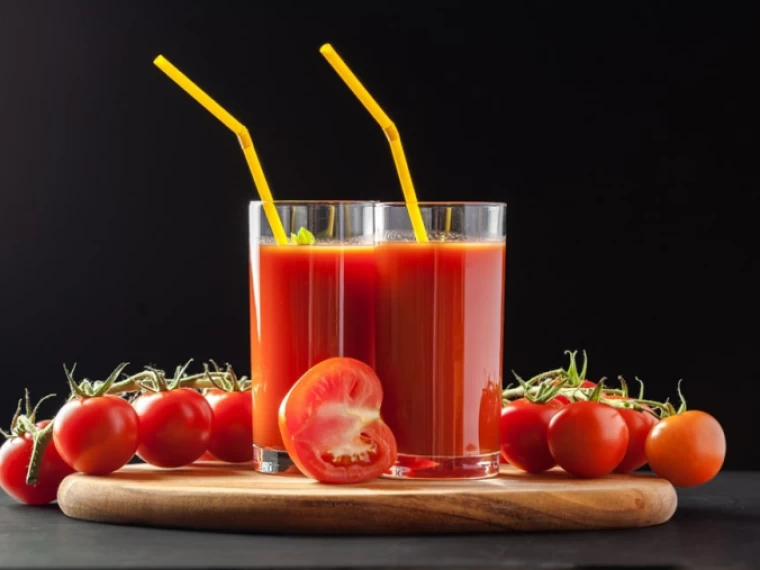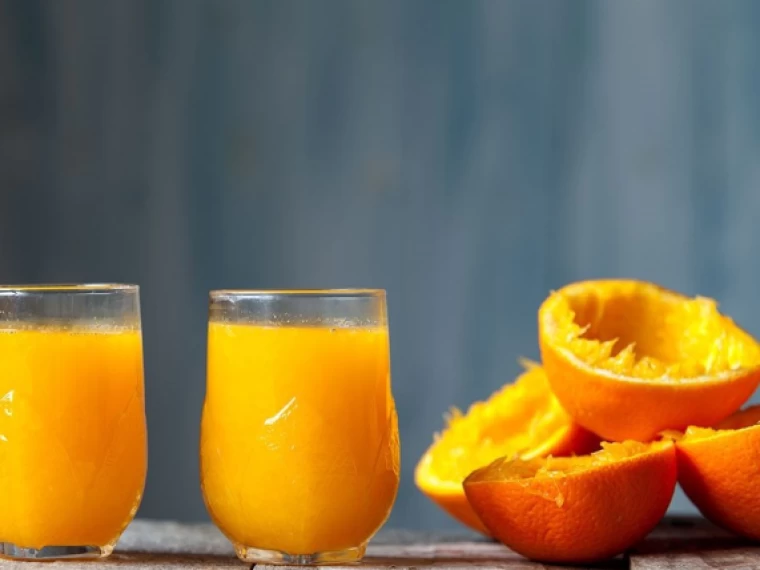
Yes, fruit beverages can be part of a healthy vegetarian diet; however, this depends on the type of beverage and the amount consumed. These beverages can be a good source of vitamins, minerals, and antioxidants, but attention should also be paid to their sugar content. Smart choices, such as natural fruit juices and homemade smoothies, provide greater benefits without unnecessary additives.
Which Types of Fruit Beverages Are More Suitable for Vegetarians?
For vegetarians, 100% natural fruit juices and homemade smoothies are considered the best options. These beverages ensure that you receive the maximum benefits of fruit without harmful additives.
- 100% Natural Fruit Juices: These juices are prepared without added sugar, preservatives, or artificial colorings and retain all the benefits of the original fruit.
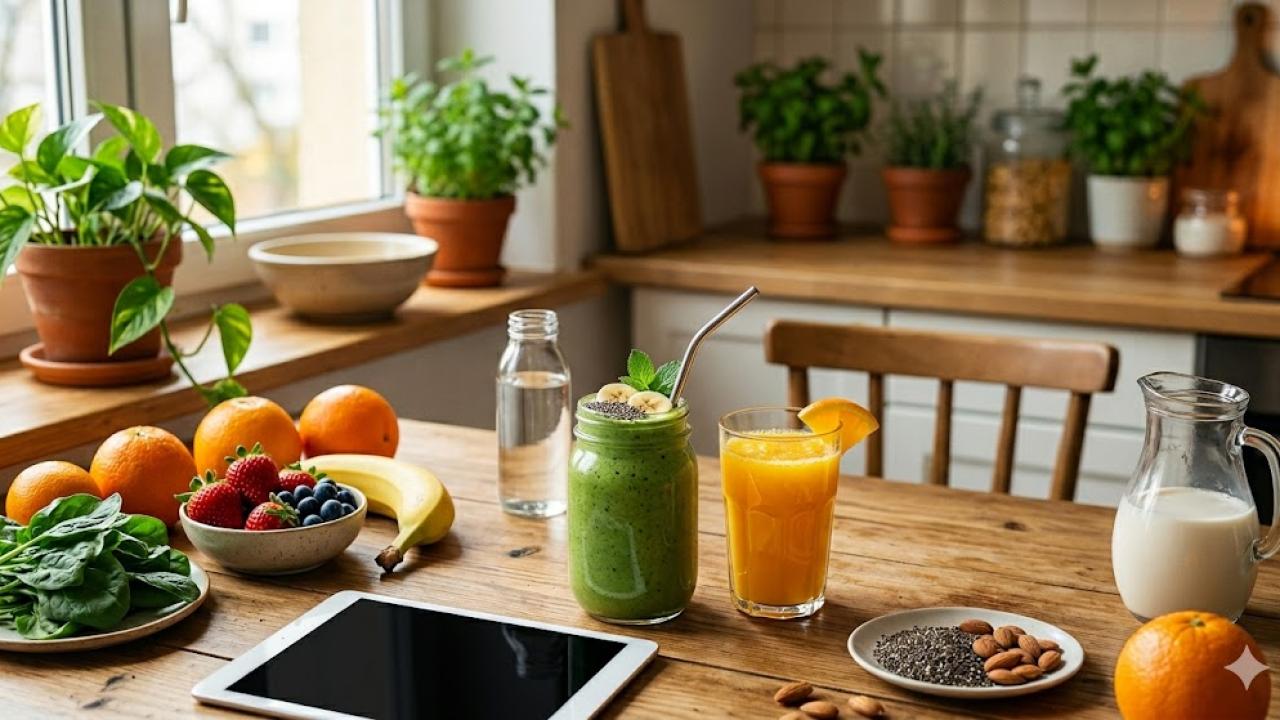
- Smoothies: A blend of fresh fruits (and even vegetables) with liquids such as water, plant-based milk (such as almond milk or soy milk), or plant-based yogurt. Smoothies are superior to fruit juices because they preserve the fiber naturally present in fruit.
- Vegetable Juices Blended with Fruit: Combining fruits with leafy green vegetables such as spinach or kale can reduce sugar content while significantly enhancing nutritional value.
Why Are Commercial Fruit Juices Not Recommended for a Vegetarian Diet?
Commercial fruit juices are generally less recommended for a vegetarian diet because they often contain large amounts of added sugars and are frequently lacking in dietary fiber. Industrial processing methods can also result in the loss of some essential vitamins and minerals.
- Added Sugar: Many commercial fruit juices are rich in refined sugars or high-fructose corn syrup, which can contribute to weight gain and health problems.
- Lack of Fiber: During the industrial juice production process, fruit fiber is removed, despite being essential for digestive health and blood sugar regulation.
- Preservatives and Artificial Colorings: These ingredients may not be desirable for everyone, particularly for individuals seeking a clean and natural dietary pattern.
What Are the Benefits of Drinking Fruit Juices for Vegetarians?
Drinking natural fruit juices can provide significant benefits for vegetarians, particularly by supplying vitamins and minerals quickly and conveniently.
- Providing Vitamins and Antioxidants: Fruits are rich sources of vitamin C, vitamin A, potassium, and various antioxidants that help strengthen the immune system and combat free radicals.
- Supporting Hydration: Fruit beverages offer a flavorful way to meet the body's fluid requirements and prevent dehydration.
- A Rapid Source of Energy: The natural sugars found in fruits can provide a quick source of energy for daily activities.
- Enhancing the Absorption of Other Nutrients: For example, the vitamin C found in citrus fruits improves the absorption of iron from plant-based sources, which is particularly important for vegetarians.
What Are the Potential Drawbacks of Excessive Fruit Beverage Consumption in a Vegetarian Diet?
Despite their benefits, excessive consumption of fruit beverages, especially fruit juices, may present certain disadvantages for vegetarians.
- High Sugar Intake and Weight Gain: Even natural fruit sugars, when consumed in large quantities, can cause rapid increases in blood glucose levels and, in the absence of sufficient physical activity, may contribute to weight gain.
- Fiber Deficiency in Fruit Juices: The juicing process removes the fruit's fiber. Fiber is essential for digestive health, satiety, and blood sugar control.
- Damage to Teeth: The acidity and sugar content of fruit juices can damage tooth enamel if consumed frequently.
- Risk of Nutritional Imbalance: Overreliance on fruit beverages may displace solid foods rich in protein, healthy fats, and fiber, potentially leading to nutritional deficiencies.
How Can Fruit Beverages Be Incorporated into a Vegetarian Diet in a Healthy Way?
To incorporate fruit beverages into a vegetarian diet in a healthy manner, moderation and informed choices are key.
- Consume in Moderation: Enjoy fruit beverages as a complement rather than a substitute for whole fruits and solid foods. One to two glasses per day is generally sufficient.
- Choose Smoothies Over Juices: Preparing smoothies allows you to retain all the fiber from the fruit, helping regulate blood sugar levels and promote satiety.
- Dilute Fruit Juices: Natural fruit juices can be diluted with plain water or sparkling water to reduce their sugar content and acidity.
- Prepare Them at Home: Whenever possible, make your own fruit beverages at home to maintain complete control over the ingredients and sugar content.
- Combine Fruits with Vegetables: To lower sugar content and boost nutrient intake, blend fruits with leafy greens, cucumber, or celery in smoothies.
Practical Experience
As a vegetarian, I have learned how to harness the benefits of fruit beverages to support my health. My breakfast often begins with a nutrient-rich smoothie. For example, combining one banana, half a cup of frozen strawberries, a handful of fresh spinach (whose flavor is virtually undetectable), one tablespoon of chia seeds (for omega-3 fatty acids and fiber), and one cup of unsweetened almond milk creates an excellent and well-balanced beverage.
This smoothie provides me with sustained energy and ensures that I begin my morning with a substantial intake of vitamins, fiber, and antioxidants without causing a rapid spike in my blood sugar levels. This approach enables me to benefit from the advantages of fruit while avoiding the drawbacks associated with consuming fruit juice alone.
Frequently Asked Questions (FAQ) About Fruit Beverages in a Vegetarian Diet
- Is 100% natural fruit juice a better choice for vegetarians than commercial fruit juice?
Yes, 100% natural fruit juice is a better option for vegetarians because it contains no added sugars or preservatives.
- Can drinking fruit juice replace eating whole fruit in a vegetarian diet?
No, fruit juice cannot replace whole fruit because whole fruits contain higher amounts of fiber, which is essential for digestive health and blood sugar regulation.
- Which fruits are recommended for preparing vegetarian smoothies?
Fruits such as bananas, strawberries, blueberries, mangoes, pineapples, oranges, and apples are highly suitable for preparing vegetarian smoothies.
- How can the natural sugar content of fruit beverages be controlled in a vegetarian diet?
Natural sugar intake can be managed by diluting fruit juices with water, combining fruits with vegetables, and consuming fruit beverages in moderation.
- Do fruit beverages help provide protein for vegetarians?
Fruit beverages themselves are not rich sources of protein; however, this limitation can be addressed by adding plant-based protein sources such as pea protein powder, chia seeds, or plant-based yogurt to smoothies.
- Are green juices (a combination of fruits and vegetables) more beneficial for vegetarians?
Yes, green juices are more beneficial for vegetarians because they contain less sugar and provide higher amounts of vitamins, minerals, and fiber derived from vegetables.
- When is the best time of day for vegetarians to consume fruit beverages?
The ideal time for consumption is at breakfast or as a snack between meals, as they can provide energy and support digestion.
- Can fruit beverages contribute to weight gain in a vegetarian diet?
Yes, if consumed excessively and without considering their sugar content, fruit beverages can contribute to weight gain due to their calorie and sugar levels.
- How can consumers ensure that purchased fruit juice is truly natural and free from additives?
Always read the product label carefully, look for the phrase "100% natural," and avoid products containing added sugars, corn syrup, or preservatives.
- Can fruit beverages help support hydration in vegetarians?
Yes, due to their high water content, particularly when consumed in combination with water, fruit beverages can contribute to maintaining proper hydration in vegetarians.
- What alternatives are available to sweet fruit juices for vegetarians?
Homemade vegetable-based smoothies, water infused with lemon and cucumber, chilled herbal teas, and coconut water are all suitable alternatives.
- Are fruit beverages suitable for all types of vegetarian diets (vegan, lacto-ovo vegetarian, and pescatarian)?
Yes, fruit beverages are generally suitable for all types of vegetarian diets because they are fundamentally plant-based. However, attention should be paid to additives such as honey in certain beverages, particularly for individuals following a vegan diet.